From Progress to Possibility: Supporting Independence in IDD Services
By Dr. Rosenie Blanc, Ed.D, Director of Psychological Services
As ILA reflects on over 40 years of service, it’s hard not to also reflect on how much the field of Intellectual and Developmental Disability (IDD) services has evolved, and what that evolution has meant for the Individuals we support.
There was a time when care looked very different. Institutional settings often prioritized management over independence, and Individuals were not always afforded the dignity or
opportunities they deserved. The history of Willowbrook State School serves as an important reminder of why this work matters, and how far the field has come.
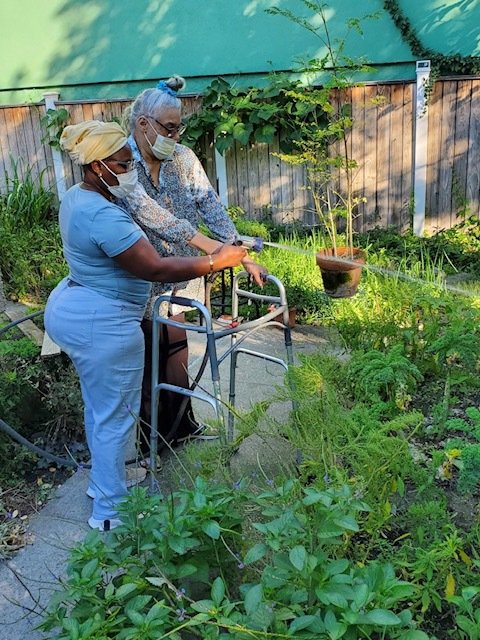
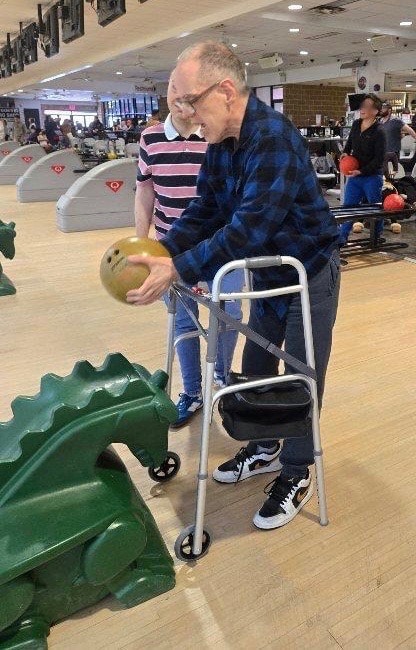
This progress is reflected in the work done every day at ILA, where services are designed to support Individuals in living and engaging within their communities.
Today, Agencies like ILA represent a very different model, one centered on community integration, person-centered planning, and the belief that every Individual has the right to live a meaningful and self-directed life. We at ILA call it a mission: A Culture of Caring!
Over the years, I’ve had the opportunity to see this shift up close. One of the most significant changes has been in how we approach behavioral support. Where success was once measured primarily by behavior reduction, there is now a stronger emphasis on skill-building, helping Individuals develop the tools they need to navigate their environments with greater independence.
At the same time, this work continues to challenge us to think more deeply about what independence truly means.
In practice, it’s not uncommon to see Individuals doing well within structured environments, where supports are consistent and expectations are clearly defined. But when those conditions change, the same challenges can re-emerge. Moments like these invite us to pause and reflect:
Are we building lasting independence, or are we relying on structure to maintain stability?
This reflects the complexity of the work and the responsibility we carry in getting it right. Supporting independence requires more than reducing behaviors; it involves building skills such as communication, emotional regulation, and decision-making that extend beyond any single setting.
 In my doctoral research, I explored how clinical teams are supported in delivering behavioral services. What became clear is that staff are deeply committed to the Individuals they support, but are often working within systems that can make consistency challenging, whether due to fragmented documentation, limited access to real-time data, or variability across settings.
Strengthening these supports is not just an operational goal, it directly impacts the quality and sustainability of care.
ILA has continued to move in this direction by investing in staff training, interdisciplinary collaboration, and evidence-based practices that support Individuals in real-world environments. These efforts create opportunities for skills to be practiced and reinforced in meaningful ways, helping Individuals move toward greater independence over time.
As the field continues to grow, there is also increasing recognition of the importance of neuroaffirming and trauma-informed approaches, as well as the role of technology and data in supporting more responsive, individualized care.
Looking ahead, the opportunity is not only to continue improving outcomes, but to ensure that the systems supporting this work are just as strong as the interventions themselves.
Because at its core, the goal has never been simply to manage behavior, it is to support Individuals in building lives defined by choice, purpose, and independence.